

Network Transceiver Modules
When it comes to ensuring seamless and efficient network performance, the role of Network Transceiver Modules is paramount. These modules are integral components in modern networking systems, facilitating data transmission across networks with remarkable speed and reliability.

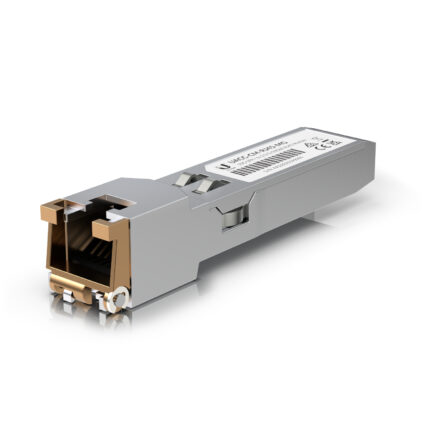

Key Features:
| Brand | Ubiquiti |
| Type | Network Transceiver Modules |
| Maximum data transfer rate | 10000 Mbit/s |
| Ethernet interface type | 10 Gigabit Ethernet |
| Power consumption (typical) | 1.9 W |
| Copper ethernet cabling technology | 10GBASE |
| Operating temperature (T-T) | 0 - 70 °C |
| Product colour | Copper, Stainless steel |


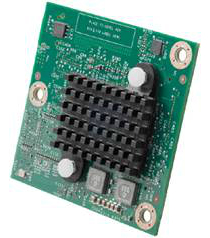
Key Features:
| Brand | Cisco |
| Product type | Voice network module |
| Compatible products | Cisco 4331, Cisco 4351, Cisco 4451 |
| Width | 51 mm |
| Depth | 67 mm |
| Height | 17 mm |
| Weight | 36 g |
| Operating temperature (T-T) | 0 - 50 °C |
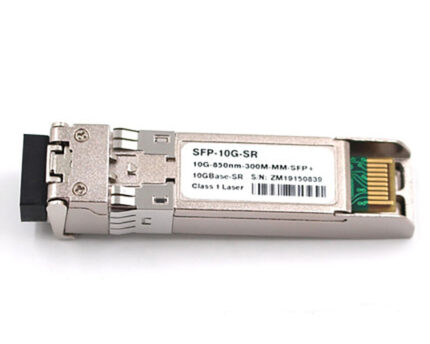
Key Features:
| Brand | Cisco |
| Product type | Network Modules |
| SFP transceiver type | Fiber optic |
| Networking standards | IEEE 802.3ae |
| Maximum data transfer rate | 10000 Mbit/s |
| Interface type | SFP+ |
| Hot-Plug support | Yes |
| Maximum transfer distance | 300 m |
| Wavelength | 850 nm |
| Hot-Plug support | Yes |
Key Features:
| Brand | Cisco |
| Type | Network Modules |
| SFP transceiver type | Copper |
| Ethernet LAN | Yes |
| Fiber optic connector | RJ-45 |
| Maximum data transfer rate | 1000 Mbit/s |
| Interface type | SFP |
| Ethernet interface type | Gigabit Ethernet |
| SFP transceiver standard | TX |
| Copper ethernet cabling technology | 1000BASE |
| Country of origin | United Kingdom |
| Easy to install | Yes |
| Product colour | Silver |
| Housing material | Metal |
| Plug and Play | Yes |
| Hot-Plug support | Yes |
| Hot-swap | Yes |
| Brand compatibility | Cisco |
| Easy to install | Yes |
| Product colour | Silver |
| Housing material | Metal |
| Plug and Play | Yes |
| Hot-Plug support | Yes |
| Hot-swap | Yes |
| Brand compatibility | Cisco |
| Country of origin | United Kingdom |
| Certification | CE, FCC, RoHS, REACH |
| Maximum voltage | 4 V |
| Input voltage | 3.3 V |
| Operating temperature (T-T) | -5 - 85 °C |
| Storage temperature (T-T) | -40 - 85 °C |
| Operating relative humidity (H-H) | 5 - 85% |
| Storage relative humidity (H-H) | 5 - 85% |
| Minimum operating temperature | -5 °C |
| Maximum operating temperature | 85 °C |
| Width | 13.4 mm |
| Depth | 56.5 mm |
| Height | 8.5 mm |
| Weight | 20 g |
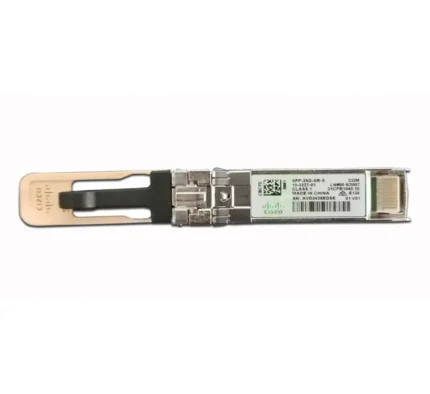
Key Features:
| Brand | Cisco |
| Product Type | Transceiver Module |
| Connector Type | Dual LC/PC |
| Nominal Wavelength (nm) | 850 |
| Cable Type | MMF |
| Core Size (Microns) | 50 |
| Modal Bandwidth | 2000 (OM3), 4700 (OM4), 4700 (OM5) |
| Cable Distance | 100m, 70m |
| Pull Tab Color | Beige |
| Min Operating Temperature | 0 °C |
| Max Operating Temperature | 70 °C |
| Weight | 75 grams |

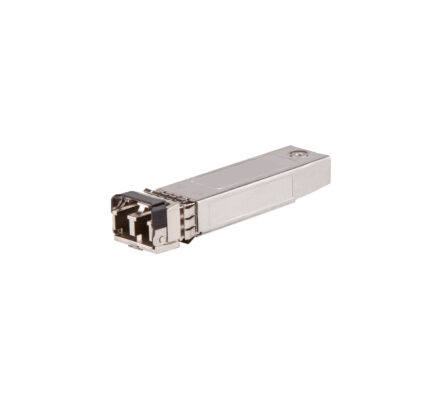
Key Features:
| Brand | HPE |
| Product type | Network Transceiver Modules |
| SFP transceiver type | Fiber optic |
| Fiber optic connector | LC |
| Maximum transfer distance | 10000 m |
| Maximum data transfer rate | 1000 Mbit/s |
| Interface type | SFP |
| Single-mode fiber (SMF) supported | Yes |
| Width | 56 mm |
| Depth | 13 mm |
| Height | 15 mm |
| Weight | 20 g |
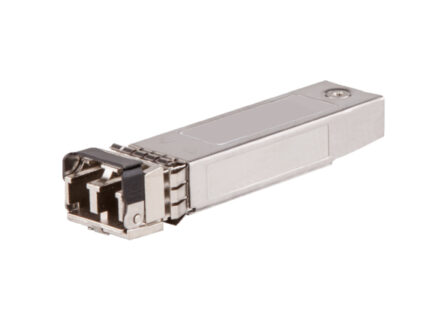
Key Features:
| Brand | HPE |
| Product type | Network Transceiver Modules |
| SFP transceiver type | Fiber optic |
| Fiber optic connector | LC |
| Maximum transfer distance | 10000 m |
| Maximum data transfer rate | 10000 Mbit/s |
| Interface type | SFP+ |
| Single-mode fiber (SMF) supported | Yes |
| Multi-mode fiber (MMF) supported | No |
| SFP transceiver standard | LR |
| Width | 15 mm |
| Depth | 56 mm |
| Height | 13 mm |
| Weight | 20 g |
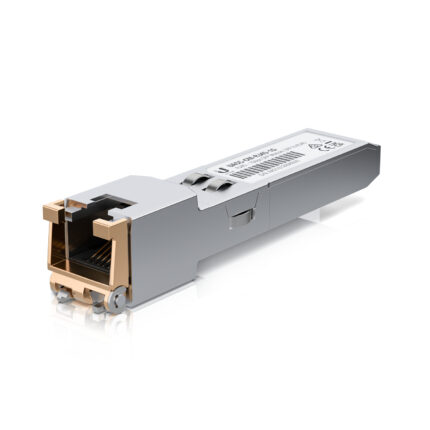


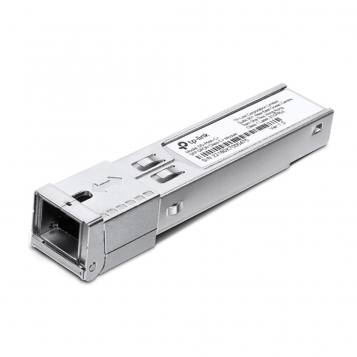

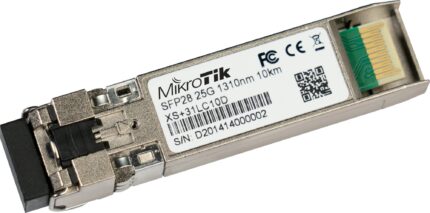
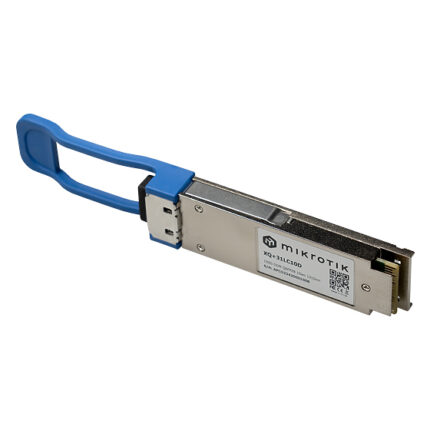
Mikrotik XQ+31LC10D network transceiver module Fiber optic 100000 Mbit/s QSFP28 1309 nm (XQ+31LC10D)
What Are Network Transceiver Modules?
Network transceiver modules are devices that combine a transmitter and a receiver into a single module. They are designed to send and receive digital signals across networks, converting electrical signals into optical signals and vice versa. These modules are critical in ensuring smooth data communication in networking environments, particularly in large-scale data centers and enterprise networks.
Types of Network Transceiver Modules
There are various types of network transceiver modules available in the market, each catering to different networking needs:
- SFP Fibre Module: The Small Form-factor Pluggable (SFP) module is one of the most commonly used transceivers in networking. It supports both single-mode and multi-mode fiber optics and is ideal for short and long-distance data transmission.
- Fibre SFP Transceiver Modules: These modules are used to connect networking devices to fiber optic networks. They come in different versions, supporting various speeds and distances, making them versatile for multiple applications.
- Wireless Transceiver Module: These are used in wireless communication systems, enabling devices to transmit and receive data wirelessly. They are essential in environments where wired connections are impractical.
- Cisco 10GB SFP: Cisco’s 10GB SFP modules are designed for high-speed data transmission over short and long distances. They are commonly used in data centers and enterprise networks requiring high bandwidth.
- Cisco Single Mode SFP: These modules are optimized for long-distance data transmission using single-mode fiber optics. They are ideal for connecting networks over vast geographical areas.
- HPE 25GB SFP28 SR 100m Transceiver: This high-performance module is designed for 25GB data transmission over short distances, typically within data centers. It ensures efficient and reliable connectivity between networking devices.
Key Features of Network Transceiver Modules
Network transceiver modules are equipped with various features that make them essential in modern networking:
- High-Speed Data Transmission: These modules support high-speed data transmission, ranging from 1GB to 100GB, making them suitable for high-demand environments.
- Versatility: They are compatible with various network types, including Ethernet, Fibre Channel, and SONET/SDH, providing flexibility in deployment.
- Reliability: Network transceivers are designed for stable and reliable performance, ensuring minimal data loss and optimal network uptime.
- Ease of Use: Most transceiver modules are hot-swappable, meaning they can be replaced or upgraded without disrupting network operations.
Applications of Network Transceiver Modules
Network transceiver modules are used in a wide range of applications, including:
- Data Centers: For high-speed data transmission between servers, storage systems, and networking equipment.
- Enterprise Networks: To ensure reliable and fast communication across large corporate networks.
- Telecommunications: In telecom networks, transceivers are used for long-distance data transmission, connecting different network points.
- Wireless Communication: Wireless transceiver modules enable communication between devices in wireless networks, including Wi-Fi and Bluetooth systems.
Choosing the Right Network Transceiver Module
When selecting a network transceiver module, consider the following factors:
- Network Compatibility: Ensure the module is compatible with your network’s infrastructure, including the type of fiber optic cables and networking equipment used.
- Speed Requirements: Choose a module that supports the required data transmission speed, whether it’s 1GB, 10GB, 25GB, or higher.
- Distance: Depending on the distance between network devices, select a module that supports either short-range (multi-mode) or long-range (single-mode) transmission.
- Brand Compatibility: Some modules, like those from Cisco or HPE, are designed to work specifically with their respective brands. Ensure compatibility to avoid any issues.